
| Parameter | Values |
|---|---|
| Coordinates | N 47.441200 E 29.1058300 H 78,5 |
| Length, m | 32 |
| Type | dilatational / Corrosive cavity |
| Hosting rocks | Sarmatian oolitic-shelly limestone |
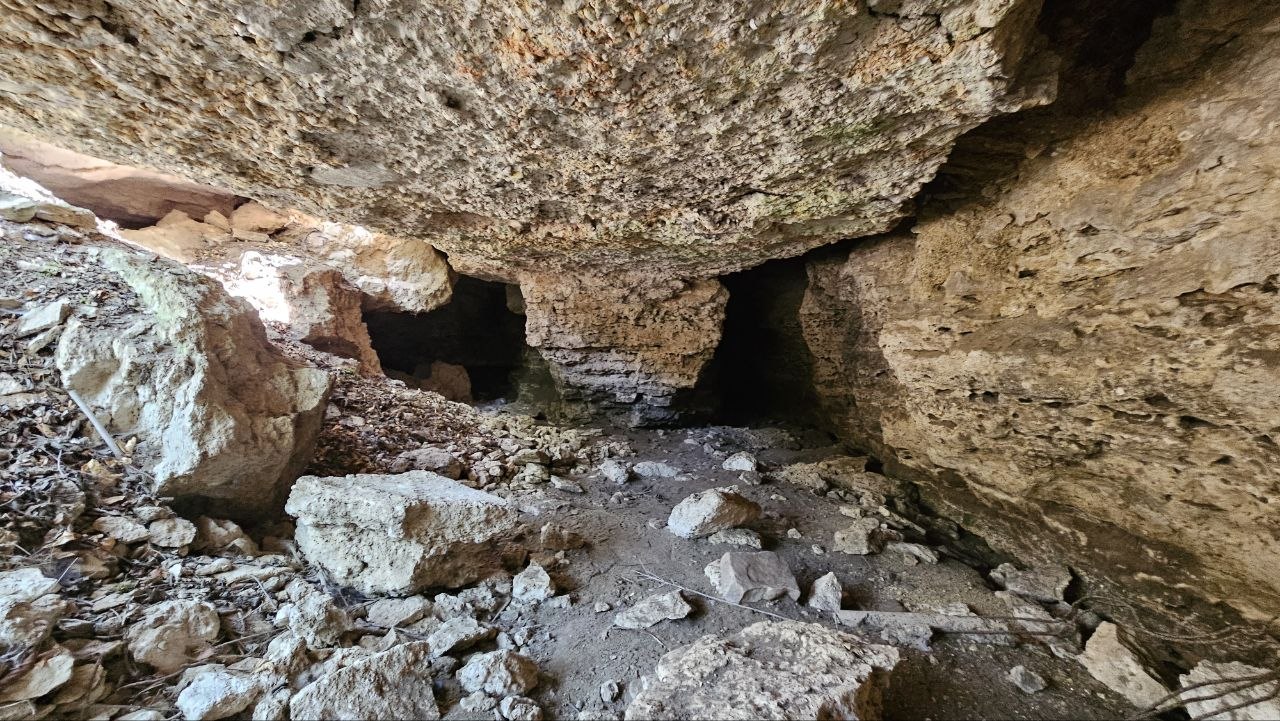
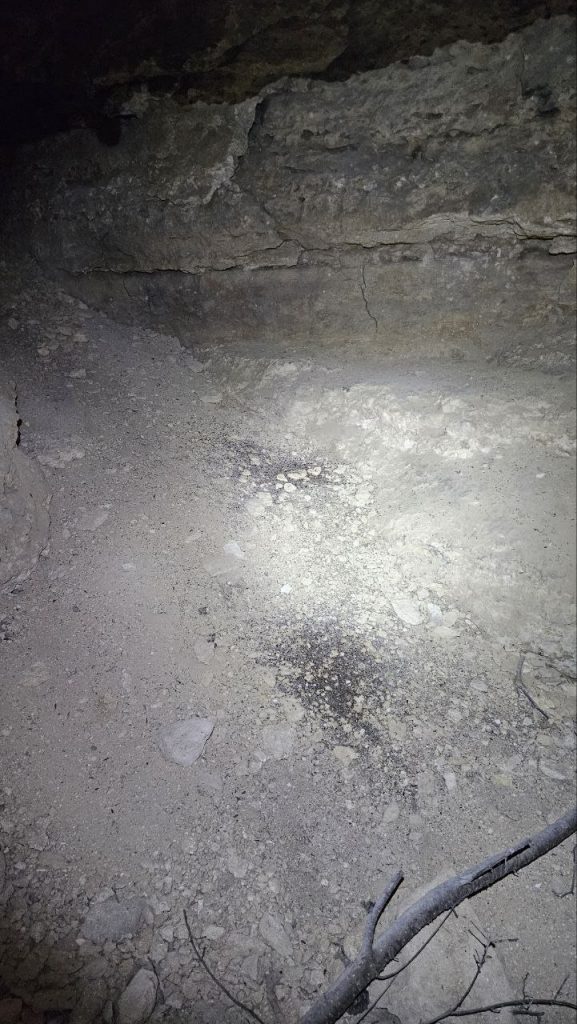
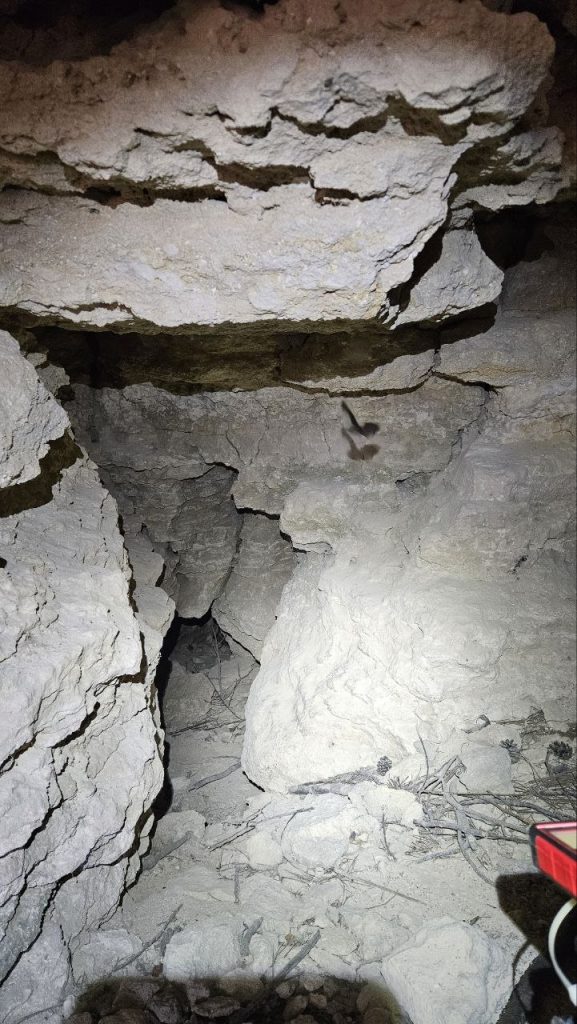
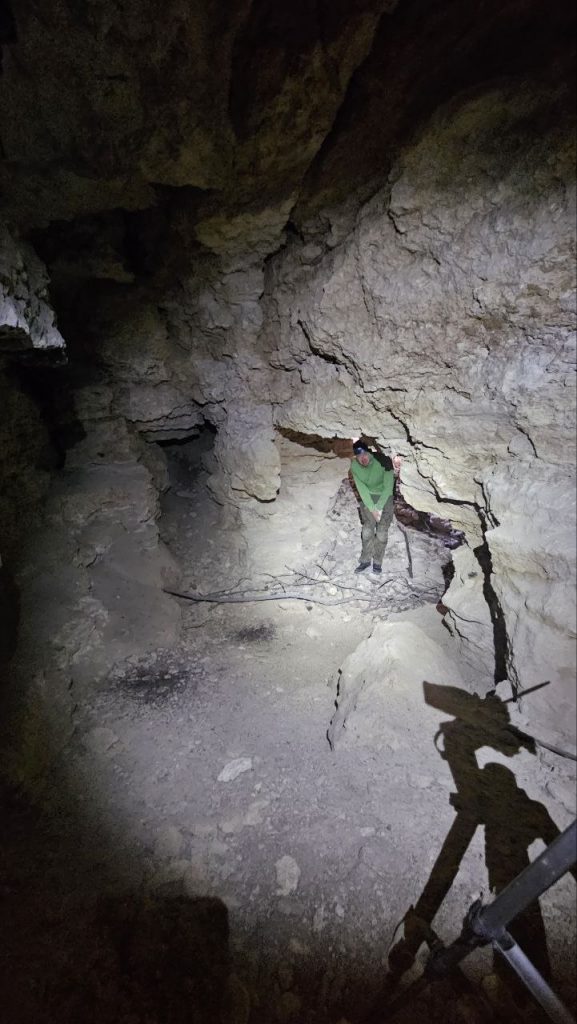
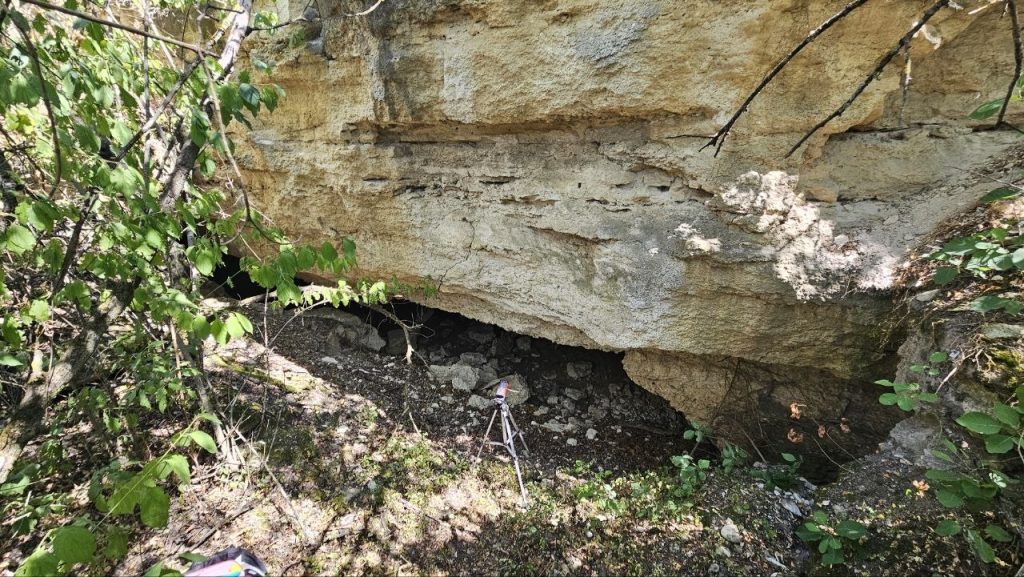
Harmacka-1 Cave (PP-75) is the largest of the 4 known cavities in the sector near Harmațca village, Dubăsari District. It is located 1.5 km from the edge of the village, on a cliff, on the left bank of the Dniester River, at a distance of approximately 70 meters from the river.
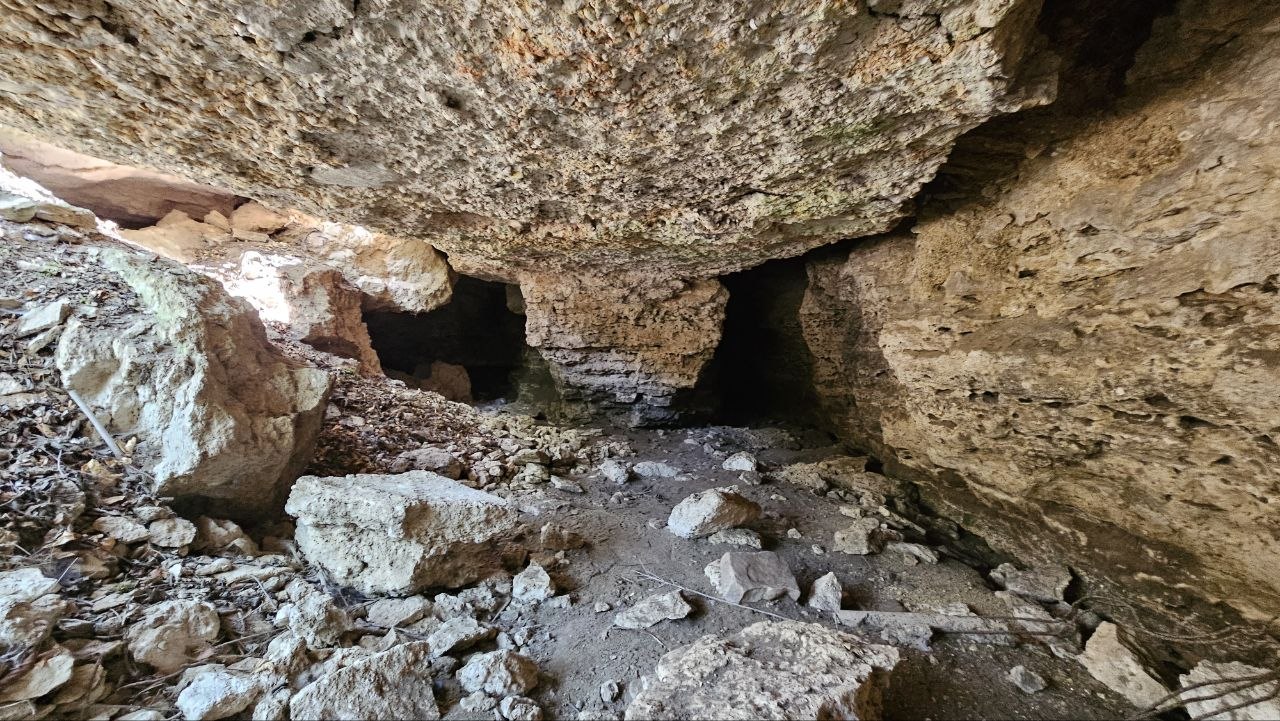
It consists of a small chamber (2×4 meters) with three narrow passages.
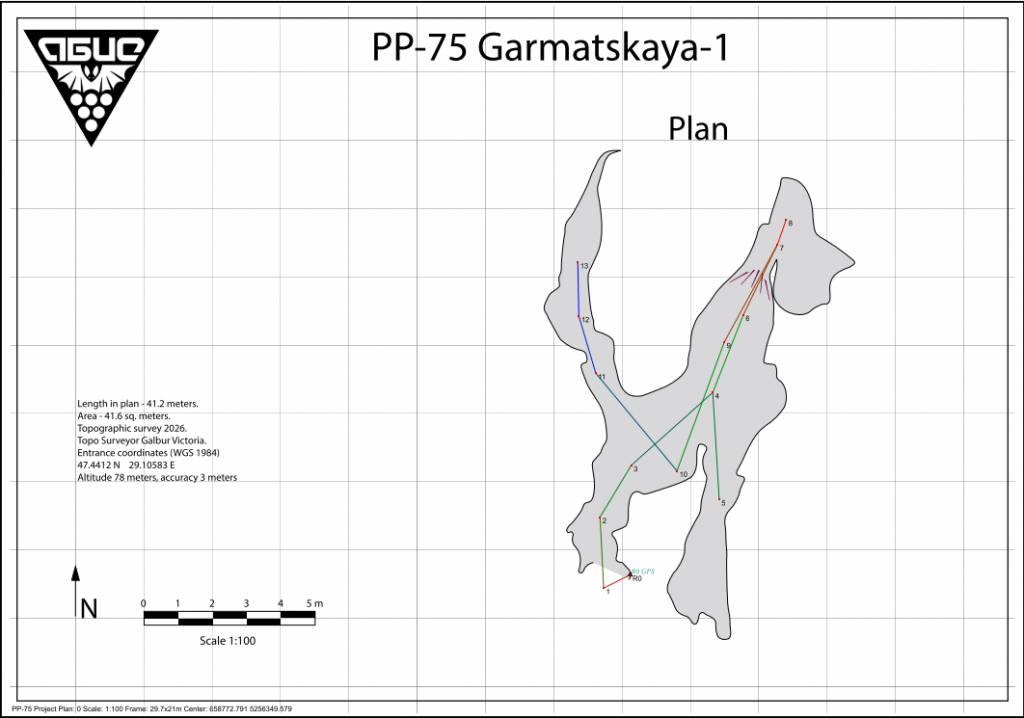
3D Model of Harmatca-1 Cave (PP-75) | Roman Strizhak, 2026
| Parameter | Values |
|---|---|
| Coordinates | N 47.441200 E 29.1058300 H 78,5 |
| Length, m | 8 |
| Type | dilatational / Corrosive cavity |
| Hosting rocks | Sarmatian oolitic-shelly limestone |
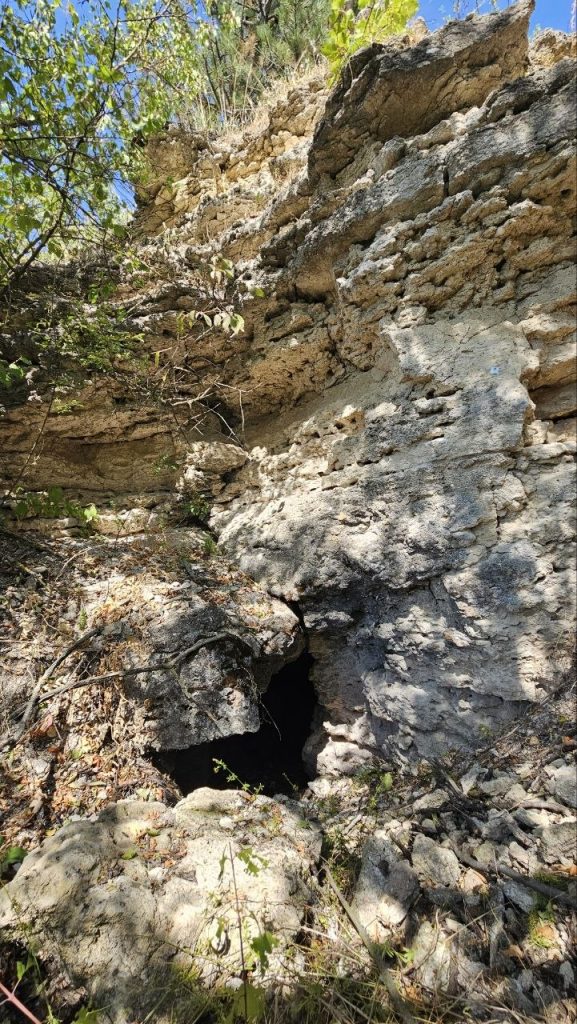
Harmacka-2 Cave (PP-76) consists of a corridor 2 meters wide and 8 meters long. It is located 35 meters south of Harmacka-1.
3D Model of Harmacka-2 Cave (PP-76) | Roman Strizhak, 2026
| Parameter | Values |
|---|---|
| Coordinates | N 47.440678 E 29.105890 H 82,7 |
| Length, m | 9,6 |
| Type | dilatational / Corrosive cavity |
| Hosting rocks | Sarmatian oolitic-shelly limestone |
Harmacka-3 Grotto (PP-77) is situated 10 meters further south of Harmacka-2 Cave and represents a chamber measuring 4×9 meters.
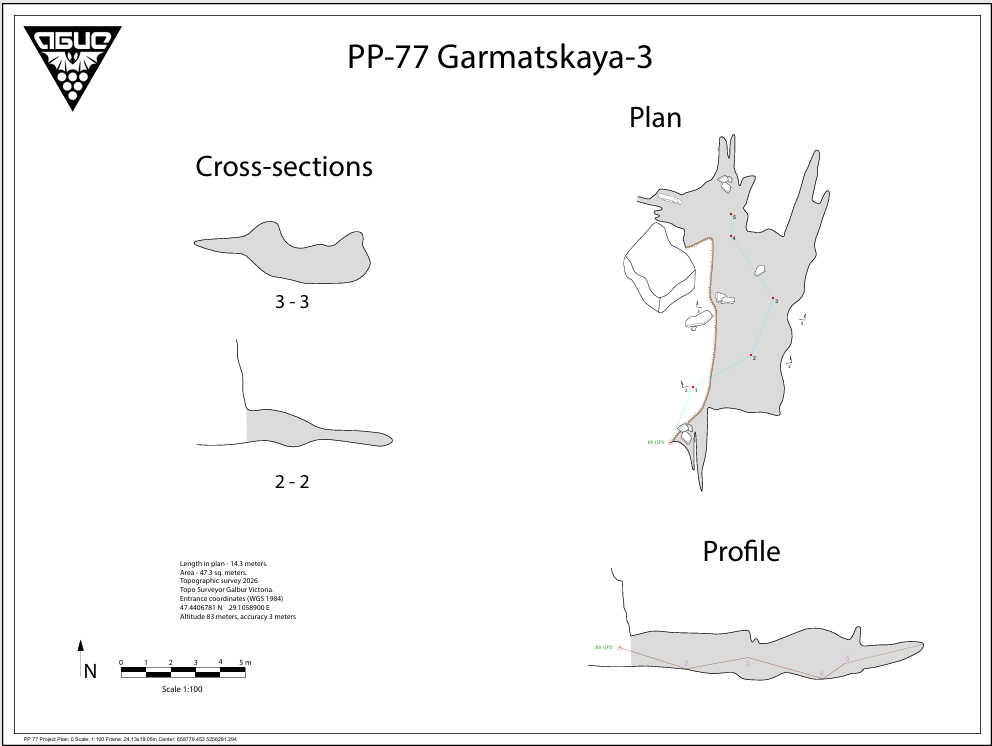
3D Model of Harmacka-3 Cave (PP-77) | Roman Strizhak, 2026
| Parameter | Values |
|---|---|
| Coordinates | – |
| Length, m | 7 |
| Type | dilatational / Corrosive cavity |
| Hosting rocks | Sarmatian oolitic-shelly limestone |
Harmacka-4 Grotto (PP-78) is located 25 meters south of Harmacka-3 and represents a chamber measuring 0.5×7 meters.
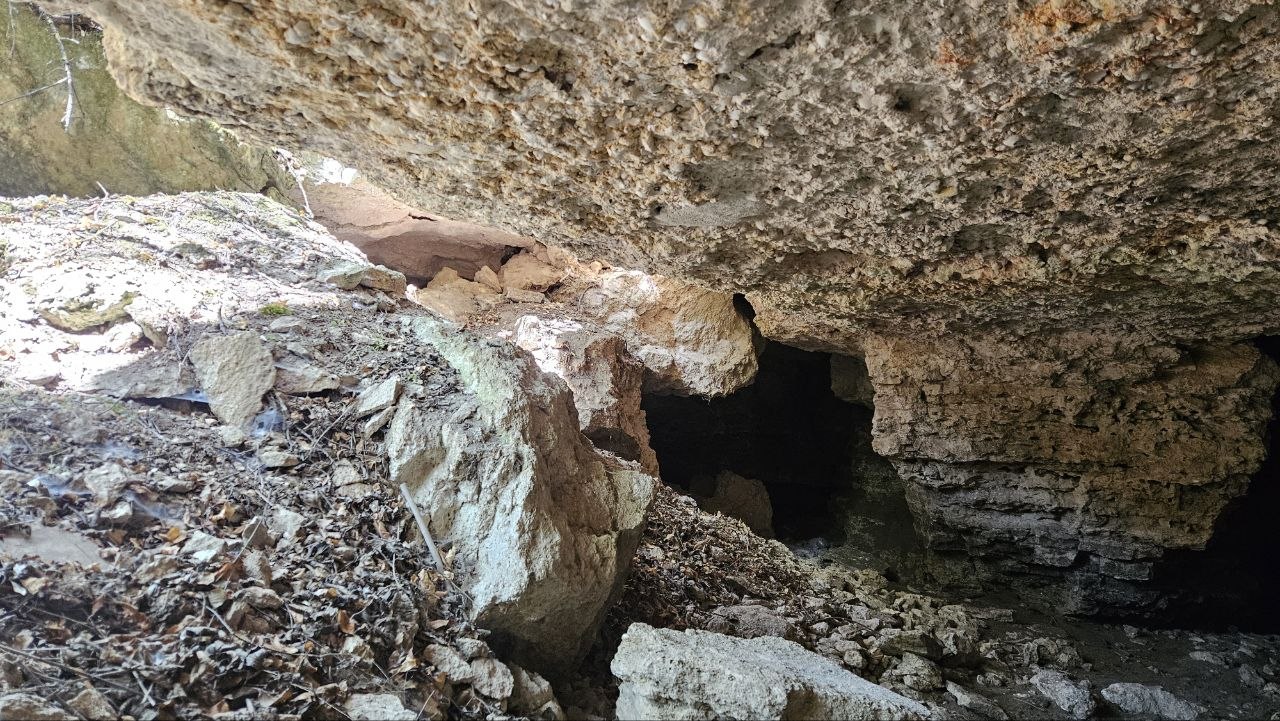
The entrance to the cave has dimensions of 1 m in height and 0.5 m in width. The cave is formed along a slope-break fissure. The walls bear weak traces of water action. The floor is flat, covered with unsorted limestone fragments mixed with dark-colored clay.
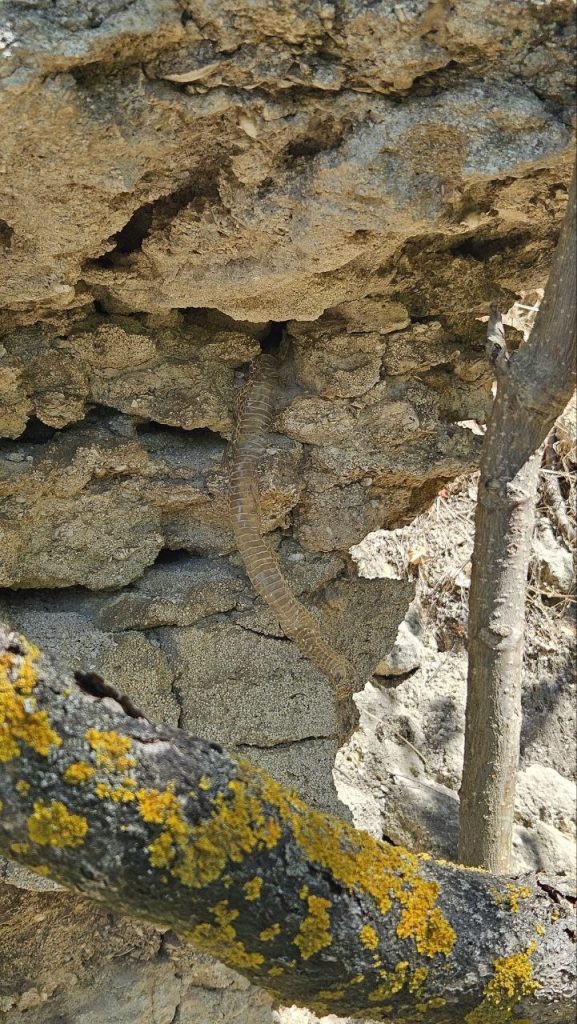
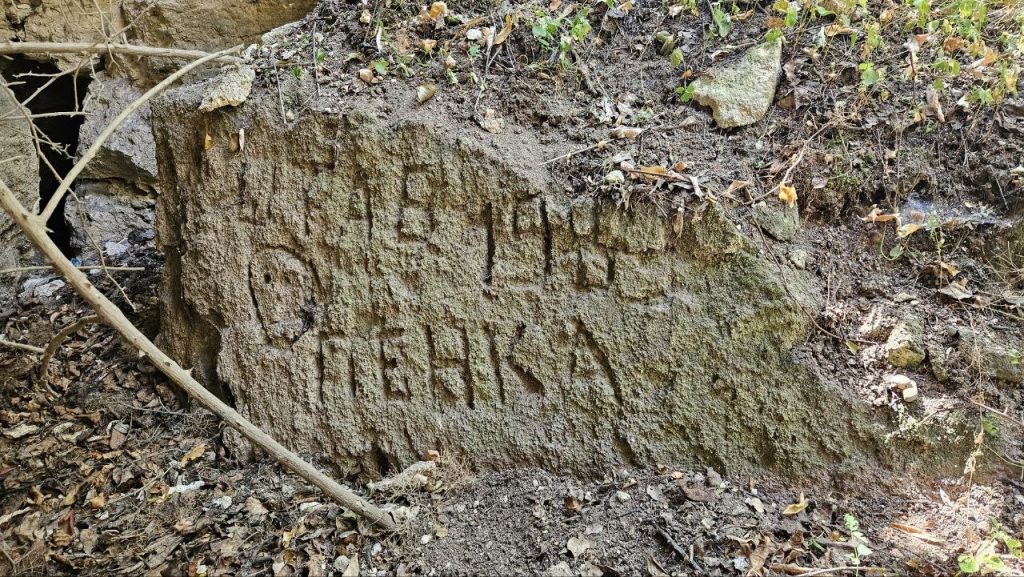
All four grottoes are formed in dense, light-yellow, oolitic-shell limestone, horizontally bedded in medium strata belonging to the Sarmatian horizon. There are no secondary formations. There are no archaeological or paleontological finds. All the grottoes are known to the locals.
Photo: Victoria Galbur, 2026.