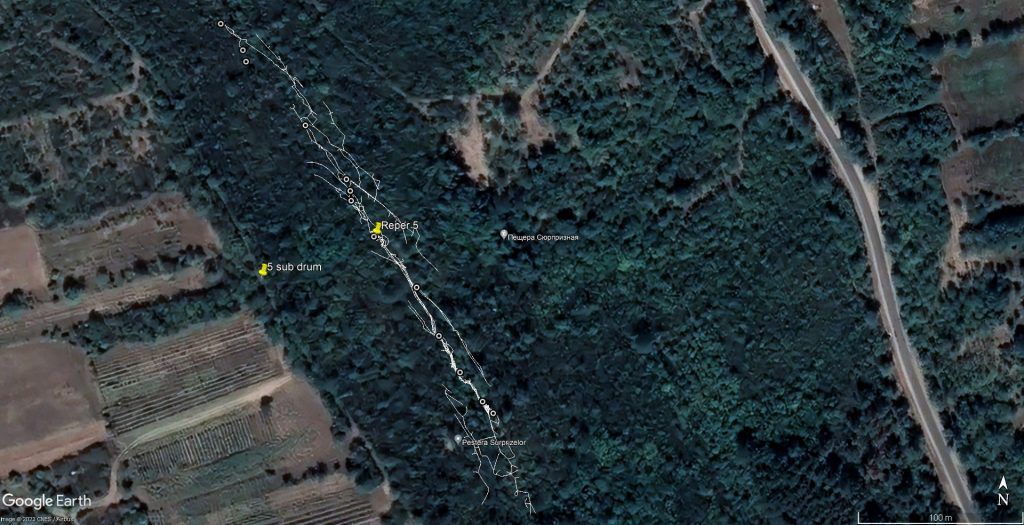
Location The cave is situated in the Criuleni District, Republic of Moldova, 500 m southwest of the Dniester (Nistru) River bridge on the Chișinău-Dubăsari highway, and 200 m from the highway itself. The cave entrances are located in the upper part of the forested slope on the right bank of the Dniester River, within the Zolonceni forest tract (Plot 27, Subplot C). It is managed by the Chișinău State Forestry Enterprise. The labyrinthine passages extend in northwest and southwest directions.
Type and Host Rock The cave was formed through dilation-corrosion within Sarmatian limestones.
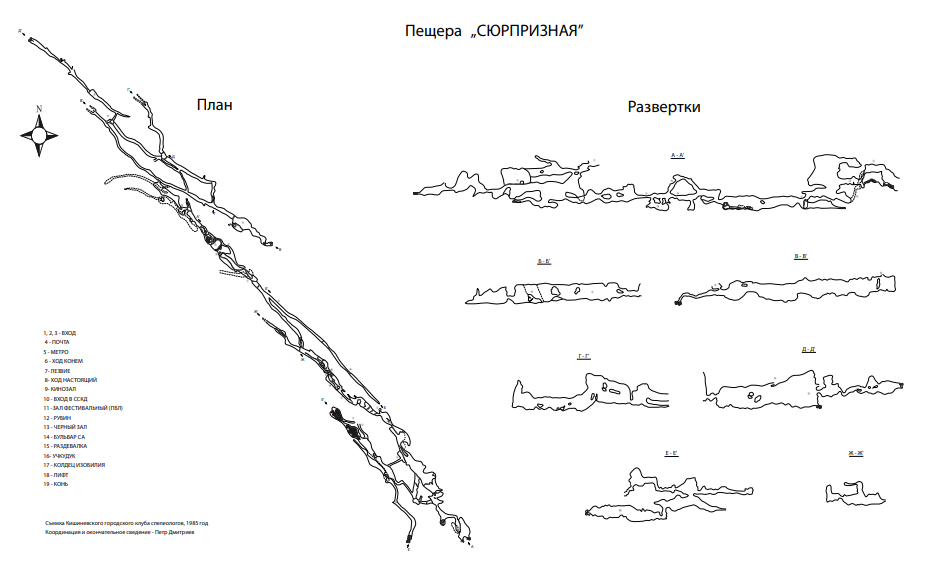
Speleometry. It is a large and complex labyrinth cave, situated along a system of lateral fissures developed between limestone blocks. The total length of the charted galleries is 925 m.
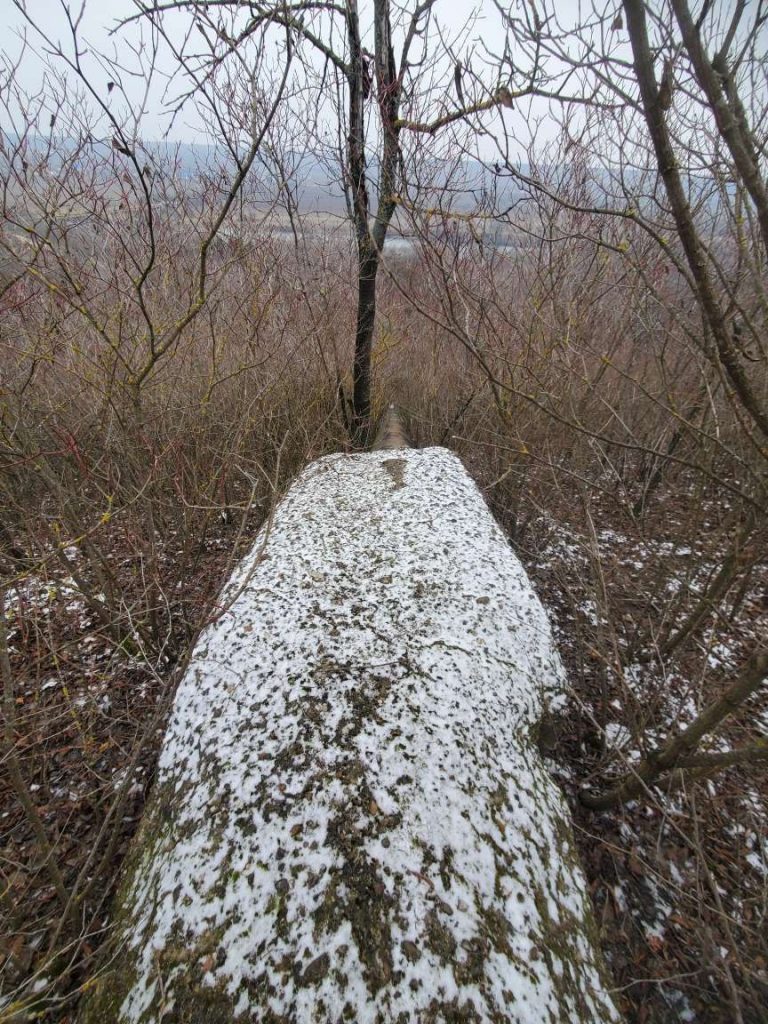
Groundwater. From the day of discovery, no water was observed in the cave; however, starting in December 2021, drops were observed on the ceiling in the Cinema Hall. Increased air humidity, puddles, and wet clay are present in the Kinozal-SSKD segment. It is noteworthy that a pipeline belonging to the State Enterprise “Apa-Canal” Chișinău passes over this section of the cave.
Air quality. The cave is well-ventilated, and there are no obvious gas accumulations that would hinder its traversal or endanger the health of visitors. The air temperature is +13.7°C. Analyses of the air composition have not been performed.
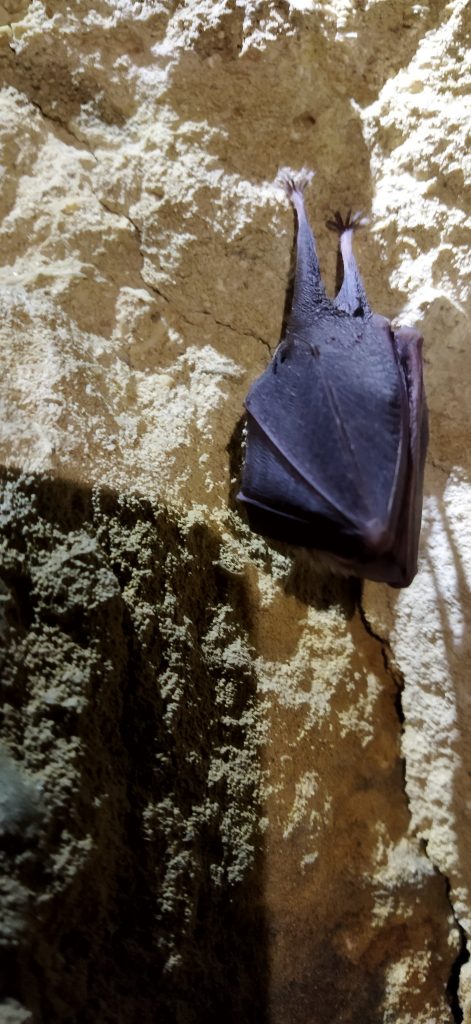
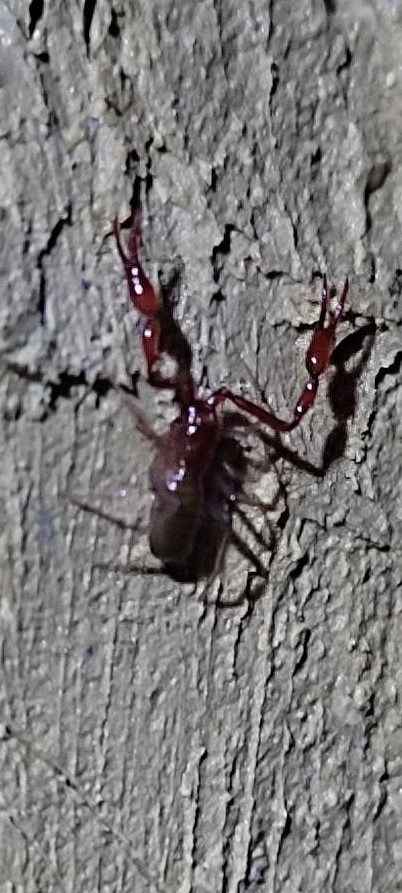
Fauna. The cave fauna is represented by several species of bats (mainly from the Myotis and Rhinolophus genera), as well as terrestrial invertebrates such as pseudoscorpions, arachnids, and crustaceans.
Research and exploration. No comprehensive research has been conducted. Exploration of the cavities took place until the 1990s.
Protection and access. The Cave of Surprises is included in the list of natural monuments protected by the state through Legea Nr. 1538 din 25.02.1998 privind fondul ariilor naturale protejate de stat.
Since the moment of its discovery, the Cave of Surprises has remained a true tourist attraction. In the absence of proper management, the natural monument is heavily influenced by anthropogenic factors, which has led to the deterioration of its physical appearance—with a direct impact on its recreational function—and the depletion of biodiversity. The walls of the cave are scattered with inscriptions, scratches, and soot stains from fires; the floor, which in the past was typically littered with various types of trash, has become tolerably clean after several years of systematic cleaning. No study has been conducted on the human impact on the cave’s fauna, but according to observations, the number of bats overwintering in the cave has decreased from hundreds to dozens of individuals.
The ABIS Club systematically organizes expeditions for the purpose of cleaning the underground space. Volunteers are very welcome on such trips, and participation is free of charge. Each participant is informed about safety rules, codes of conduct, and proper etiquette while traversing caves.
In 2006, the NGO “Lupii” (The Wolves) expressed its interest in developing the cave. Excerpts from the NGO’s website:
The protection and landscaping of the Cave of Surprises is a top priority. The public organization “Lupii” from Chișinău, together with the local authorities of Criuleni, the public organization “Fauna,” and the Paleontological Association of the Republic of Moldova—with financial support from the Regional Environmental Center for Moldova—initiated a project to promote, conserve, and equip the Cave of Surprises in 2004. The project includes the development of tourist accommodation sites, cleaning the cave and its surroundings, marking and mapping the cave, as well as establishing the tourist route from Criuleni to the entrance of the Cave of Surprises. The public organization “Lupii,” together with its partners, conducted a campaign to promote the cave through the media, organized an information seminar for the population regarding the unique value of the cave, provided information about the changes made, and completed the development work within the project dedicated to the Cave of Surprises natural monument.
As a result, of all the declared promises, only the waste was removed, and a temporary toilet and a table were installed.
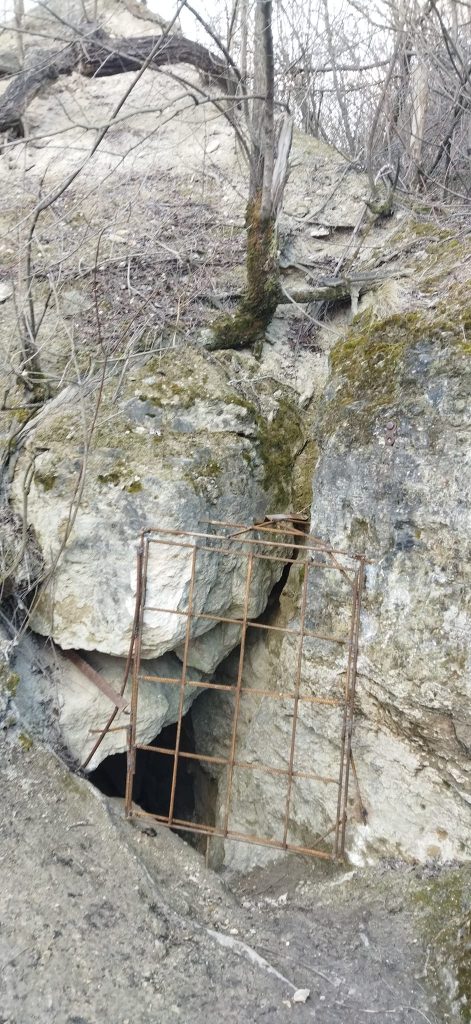
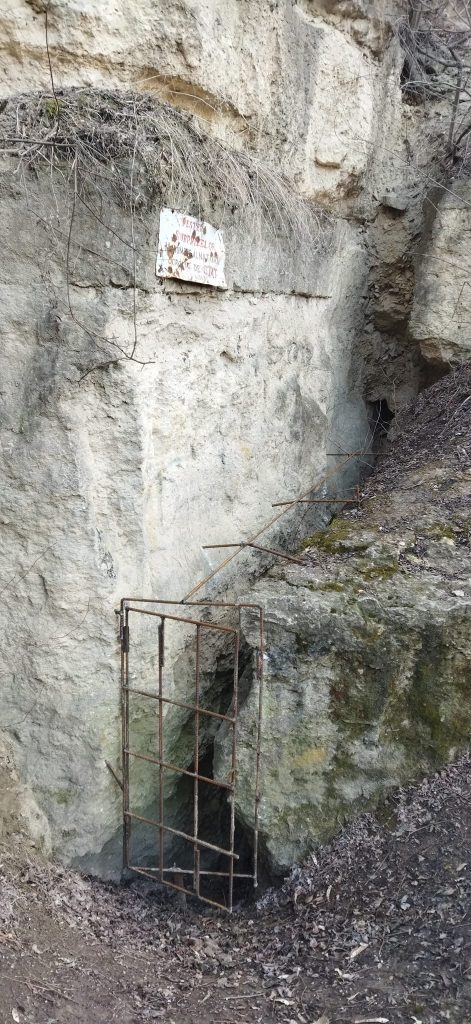
In 2004 and 2006, at the insistence of ABIS, the cave entrance was sealed in an attempt to control tourist access and slightly reduce the anthropogenic pressure on the ecosystem. After some time, the doors were torn off, and access to the cave became free once again. In 2021, the entrances on the southern side of the cave were fitted with grates, though the door remained unlocked, while the northern entrance remained intact.
Uncontrolled entry into the cave by unprepared individuals, lacking training and equipment, resulted in two cases requiring the intervention of the IGSU of the MAI: on November 28, 2021, an incident resulted in bodily injuries to a 21-year-old man; and in September 2022, a case resulted in the death of a 33-year-old man, whose body was evacuated on September 29, 2022, with the support of ABIS club members. See also the article “The Tragedy of the Cave of Surprises.“
Following the tragic incident, the club submitted a request to the central public authority to restrict public access to the cave. Public access remains open even today.